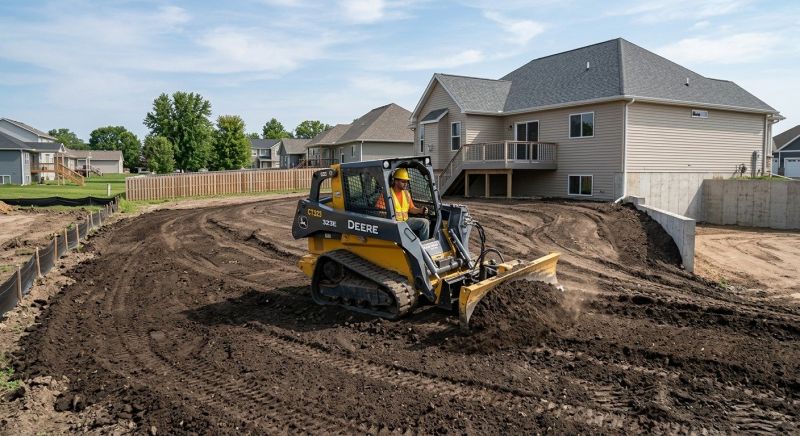
Yard Grading in Houston, TX
Yard grading services involve shaping and leveling the soil on a property to ensure proper drainage and a stable foundation for landscaping or construction projects. This service is commonly requested for new lawn installations, landscape improvements, or to correct existing issues such as water pooling or erosion. Property owners typically seek yard grading to improve runoff management, prevent water damage to structures, and create a smooth, even surface that supports healthy plant growth and safe outdoor use.
Before requesting yard grading, homeowners should consider the current slope and drainage patterns of their yard, as well as any existing structures or underground utilities. Understanding the specific goals for the project-such as directing water away from the foundation or preparing the ground for new landscaping-can help determine the appropriate grading approach. Clear communication about these needs can ensure the work aligns with the property’s requirements and results in a functional, well-drained outdoor space.
Many property owners in Houston, TX look into Yard Grading for repairs, replacements, upgrades, and appearance-related improvements.
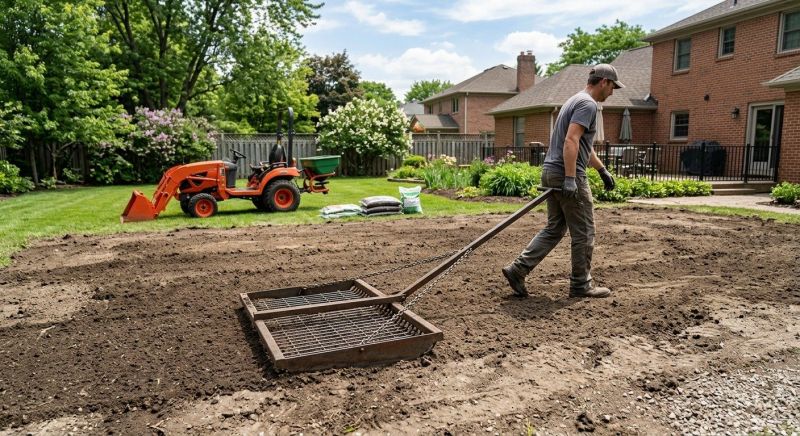
Yard Grading For Drainage
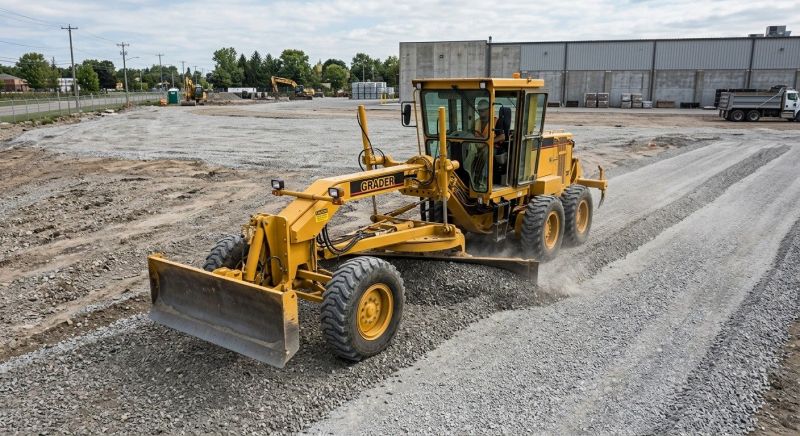
Proper grading helps prevent water pooling and directs runoff away from foundations.
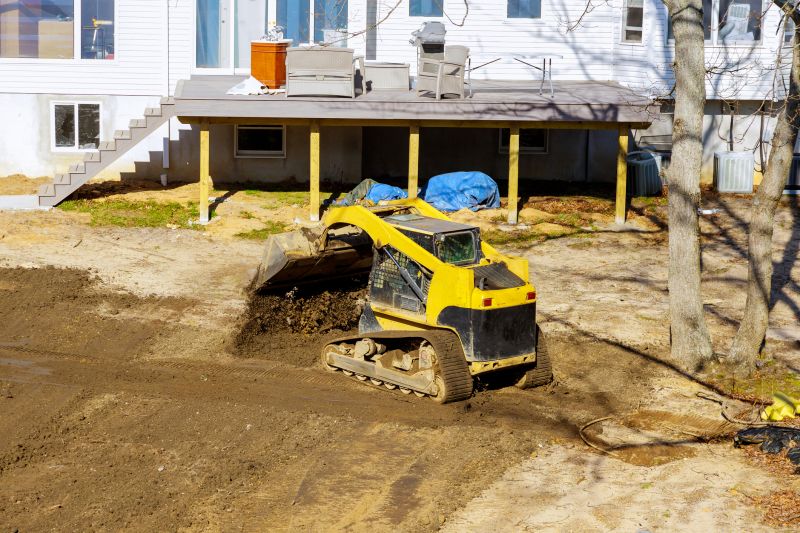
Land Leveling And Smoothing
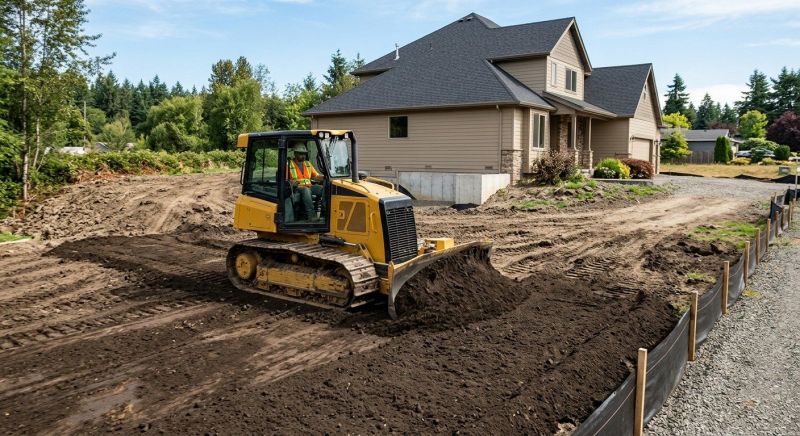
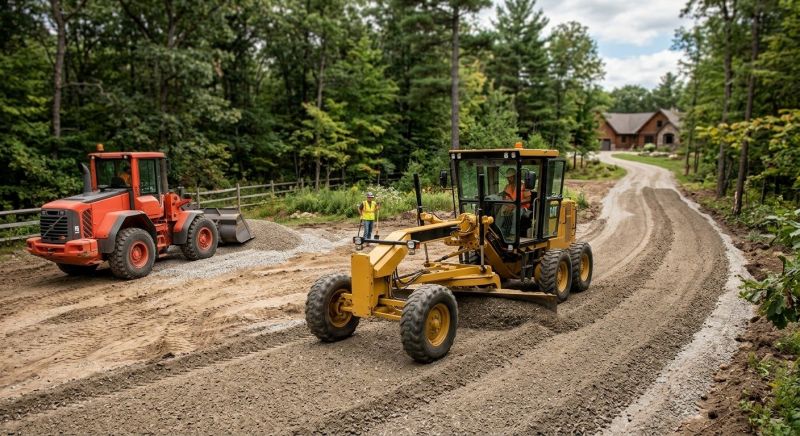
Leveling a yard creates an even surface ideal for landscaping and outdoor activities.
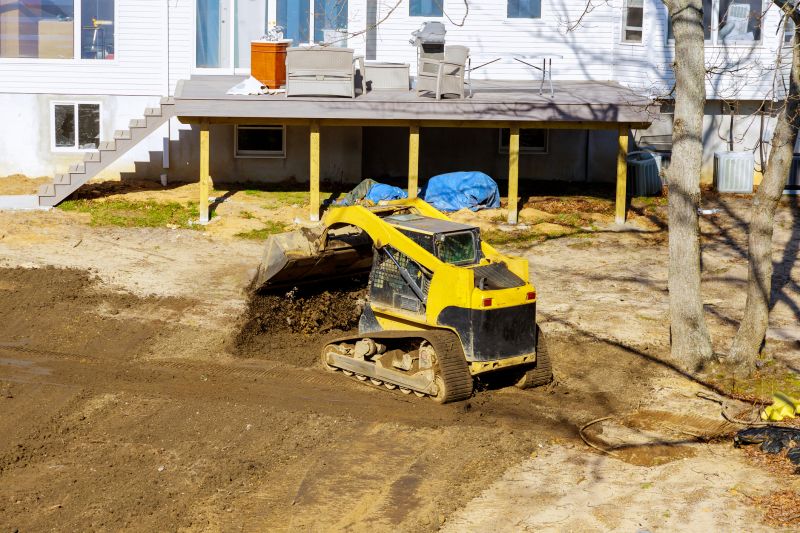
Soil And Elevation Adjustments
Adjusting soil levels can improve yard stability and prepare the space for new landscaping projects in houston, tx.
Yard Grading in Houston, TX

Yard grading services involve shaping and leveling the soil on a property to ensure proper drainage and a stable foundation for landscaping or construction projects. This service is commonly requested for new lawn installations, landscape improvements, or to correct existing issues such as water pooling or erosion. Property owners typically seek yard grading to improve runoff management, prevent water damage to structures, and create a smooth, even surface that supports healthy plant growth and safe outdoor use.
Before requesting yard grading, homeowners should consider the current slope and drainage patterns of their yard, as well as any existing structures or underground utilities. Understanding the specific goals for the project-such as directing water away from the foundation or preparing the ground for new landscaping-can help determine the appropriate grading approach. Clear communication about these needs can ensure the work aligns with the property’s requirements and results in a functional, well-drained outdoor space.
Many property owners in Houston, TX look into Yard Grading for repairs, replacements, upgrades, and appearance-related improvements.
Common Yard Grading Jobs
Yard Grading - reshaping the landscape to promote proper drainage and prevent water pooling.
Landscape Drainage - adjusting terrain to direct excess water away from foundations and walkways.
Foundation Drainage - grading around structures to reduce water pressure and protect against water intrusion.
Slope Correction - leveling uneven yard areas to improve runoff and reduce soil erosion.
Soil Grading - improving soil contours for better lawn health and landscape stability.
Erosion Control - shaping slopes to minimize soil loss and maintain yard integrity.
Yard Grading Questions
What is yard grading? Yard grading involves leveling or sloping the ground to improve drainage and prevent water pooling on the property.
Why is yard grading important? Proper grading helps protect foundations, reduces erosion, and keeps the yard safe and functional after heavy rain or storms.
What types of projects require yard grading? Projects often include yard drainage correction, landscape leveling, and preparing the ground for new lawns or structures.
How does yard grading affect property value? Well-graded yards can enhance curb appeal and prevent water damage, contributing positively to overall property value.
Request Yard Grading in Houston, TX
Use the quote form on this page to share the basics of your project and request more information for the type of work you need.